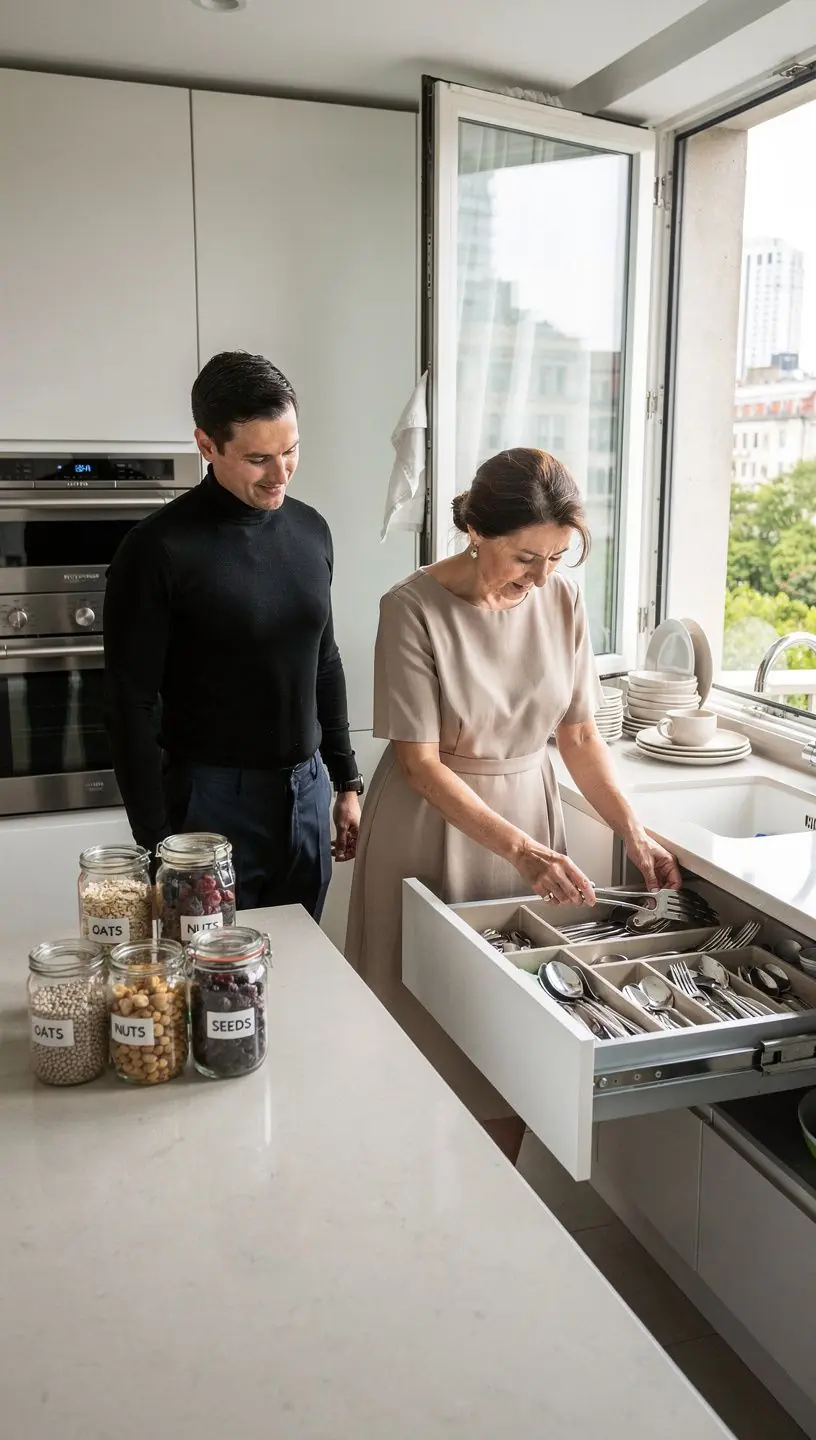
Exploring Sustainable Minimalist Practices
In a world increasingly focused on sustainability, minimalist practices not only help reduce clutter but also contribute to a more efficient and eco-friendly lifestyle. This article delves into sustainable minimalist practices that can enhance usability in your home while fostering a sense of well-being.
Understanding the Basics of Sustainable Minimalism
Sustainable minimalism is a philosophy that combines the principles of minimalism with sustainable living. This approach encourages individuals to reduce excess and make mindful choices about what they own and consume. According to research from the Journal of Environmental Psychology, decluttering can lead to a 20% increase in personal productivity, making it an effective strategy for many households.
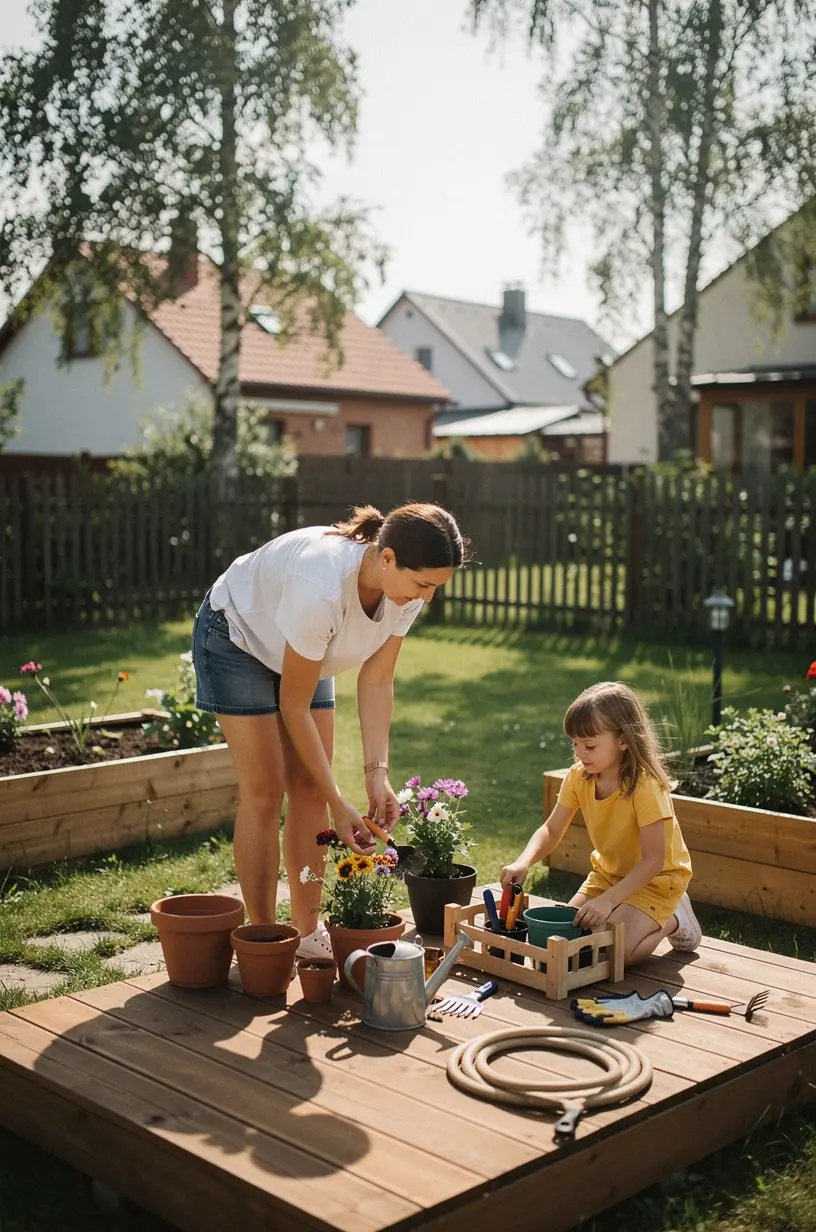
"Adopting a minimalist lifestyle can reduce stress and create a more harmonious living environment." - Expert recommendation from the Minimalist Society
Practical Application of Sustainable Minimalist Practices
Implementing sustainable minimalist practices typically involves a few key steps:
- Decluttering: Begin by evaluating your possessions. Experts recommend using the Marie Kondo method, which encourages keeping only items that "spark joy." This process can take anywhere from 2-4 weeks, depending on the size of your space.
- Mindful Consumption: When adding new items to your home, choose products that are sustainable and necessary. Research indicates that opting for quality over quantity can lead to a more satisfying living environment.
- Designing Functional Spaces: Focus on usability by creating open spaces that are easy to navigate. Many users report that a well-organized space enhances their daily routines and reduces frustration.
Acknowledging Limitations of Minimalism
While sustainable minimalist practices can be beneficial, it’s important to acknowledge certain limitations. This lifestyle may require a significant commitment of time and effort. For example, the decluttering process can be emotionally challenging, as it involves parting with items that hold sentimental value. Furthermore, sustainable practices often work best when there is prior knowledge about eco-friendly alternatives and design approaches.
Conclusion: A Balanced Approach to Minimalism
Exploring sustainable minimalist practices can lead to a more organized and fulfilling home environment. By prioritizing education and understanding the methodology behind these practices, individuals can foster long-term benefits for themselves and the planet. Remember, results typically appear over time, and patience is key in this transformative journey.