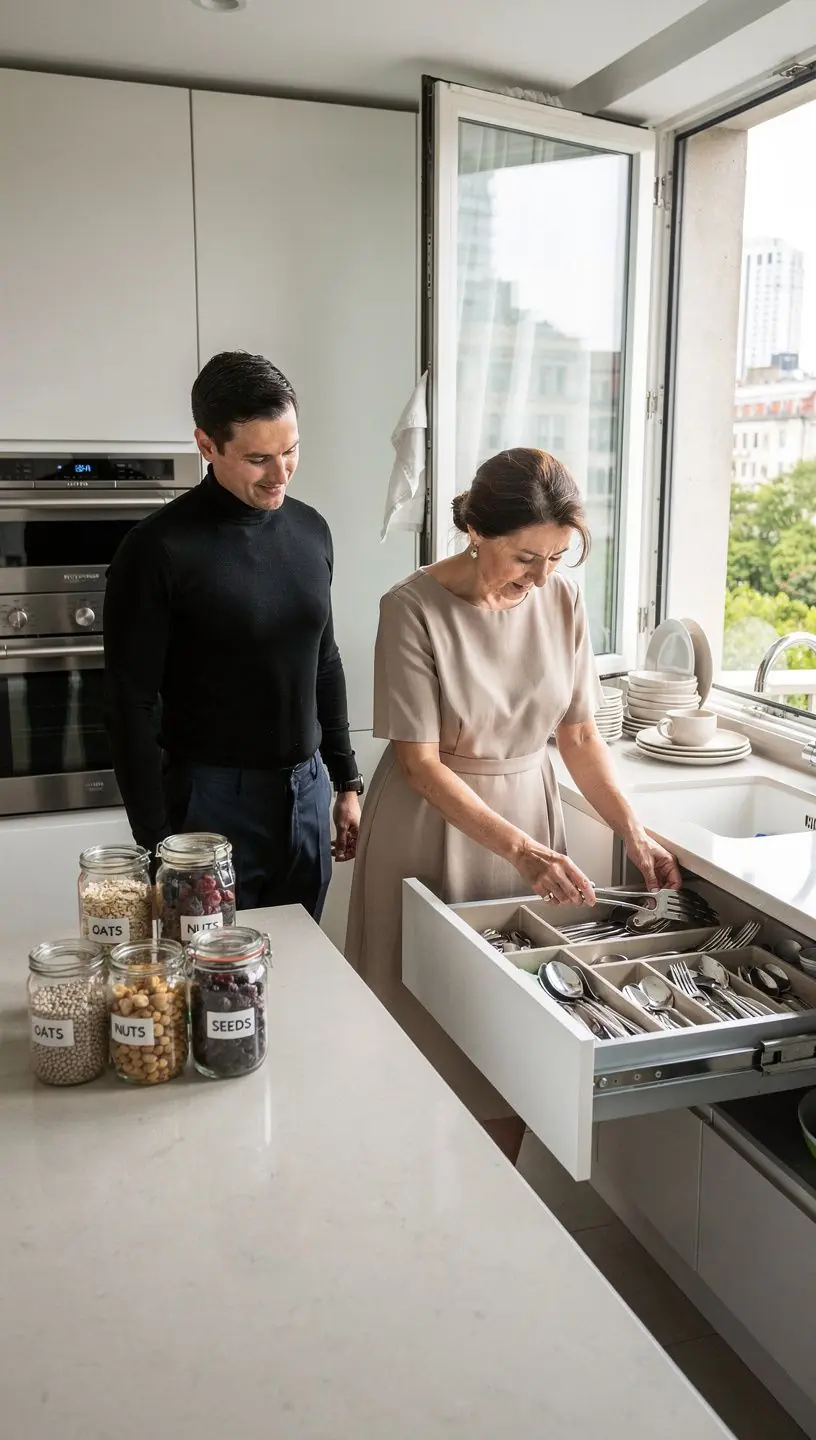
Strategies for Prioritizing Home Essentials
In a world where clutter can often overwhelm our living spaces, learning to prioritize home essentials is crucial. This article discusses practical strategies to help you identify what matters most in your home and how to create a more organized and functional environment.
Understanding the Basics
Prioritizing home essentials typically involves evaluating your needs and lifestyle. According to experts in minimalism and home organization, this process can lead to improved usability and reduced stress. The principle behind this is that by focusing on what truly enhances your life, you can create a space that fosters well-being and productivity.

"Decluttering is not just about removing items; it's about making room for what you love and need." - Marie Kondo
Identifying Your Home Essentials
To effectively prioritize your home essentials, consider the following strategies:
- Conduct a Needs Assessment: Take some time to reflect on your daily routines and identify items that are crucial for your lifestyle. This could include furniture, kitchenware, or even personal items that bring you joy. Research indicates that when individuals focus on their actual needs, it can lead to a more satisfying living space.
- Set Clear Goals: Determine what you want to achieve through decluttering. For instance, if your goal is to create a more peaceful environment, you may need to prioritize calming decor and functional furniture. Experts recommend setting specific, measurable goals to guide your decluttering efforts.
- Evaluate Usage Frequency: Consider how often you use each item in your home. Items that are used regularly should typically take precedence over those that are seldom utilized. Studies show that keeping frequently used items easily accessible can enhance overall usability and satisfaction.
Implementing the Decluttering Process
Once you've identified your essentials, the next step is to implement a decluttering process. This typically involves:
- Sorting Items: Go through your belongings and categorize them into keep, donate, or discard. This process may take some time and often requires careful consideration of each item's value to your life.
- Setting Timeframes: Establish realistic time limits for your decluttering sessions. According to studies, participants who set specific timeframes often find it easier to stay focused and motivated.
- Maintaining the Organization: After decluttering, it's essential to maintain your home’s organization. This involves regularly reassessing your belongings and making conscious decisions about new items entering your space. Experts suggest that maintaining a clutter-free home requires ongoing dedication.
Conclusion
Prioritizing home essentials is an effective approach to creating a more usable and enjoyable living space. By understanding your needs, setting clear goals, and systematically decluttering, you can transform your home into a sanctuary of peace and functionality. While this process may require time and effort, many users report significant improvements in their daily lives as a result of these strategies. Remember, the goal is not to achieve perfection but to create a space that works for you.
Learn More