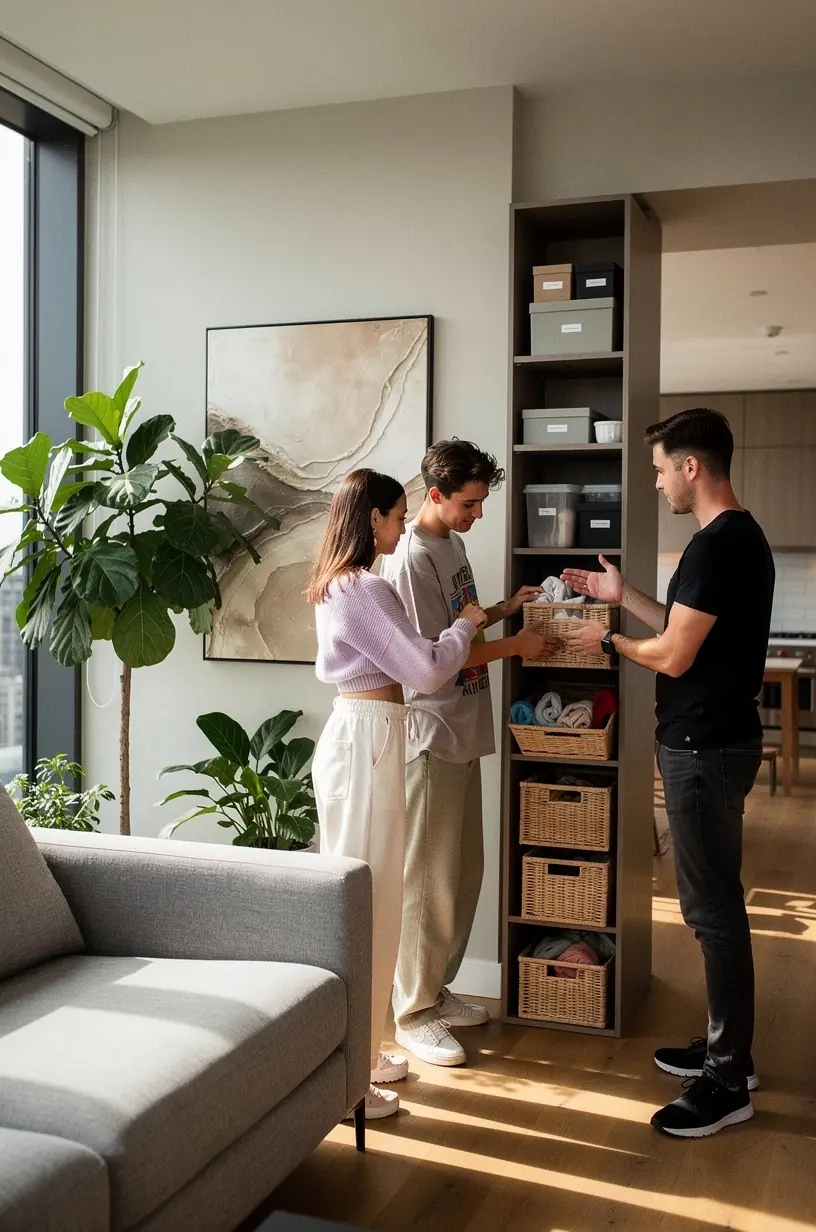
How to Create Functional Minimalist Spaces
Creating a functional minimalist space is about more than just aesthetics; it’s about enhancing usability and reducing clutter. This article explores practical strategies to help you design spaces that are not only visually appealing but also serve their intended purpose effectively.
Understanding the Principles of Minimalism
Minimalism is often described as a lifestyle choice that promotes simplicity and efficiency. According to research by the Journal of Environmental Psychology, clutter can negatively impact our mental well-being and productivity. Therefore, implementing minimalist principles can help reduce stress and improve focus.
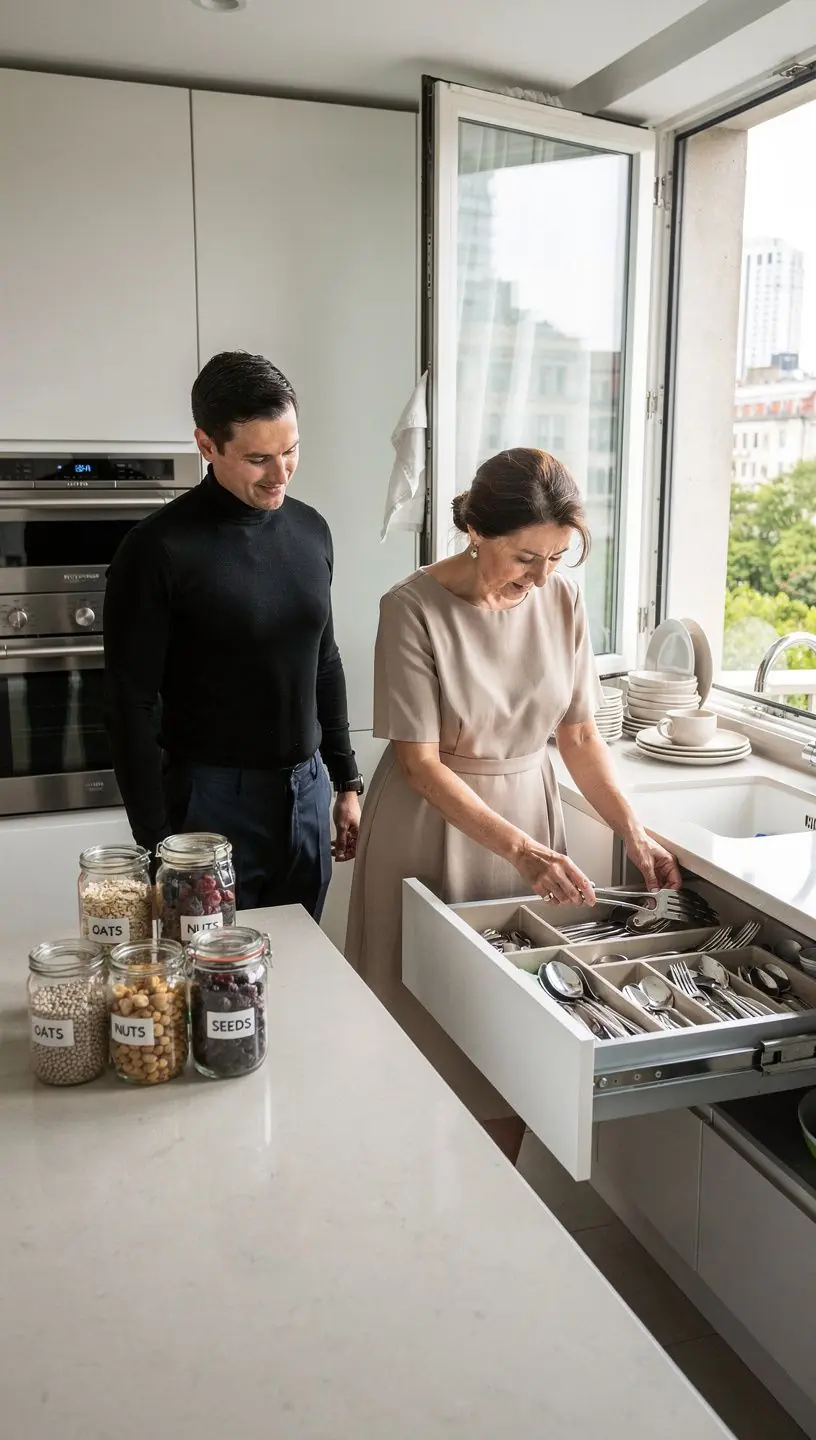
Experts recommend starting with a clear understanding of your needs and priorities. This works because it allows you to distinguish between what is essential and what is merely decorative or superfluous.
"A minimalist approach is not about living with less, but making room for more of what matters." - Unknown
Steps to Create Functional Minimalist Spaces
- Assess Your Needs: Begin by evaluating how you use each space in your home. Research indicates that spaces designed with user functionality in mind often result in higher satisfaction and usability.
- Declutter Regularly: Implement a regular decluttering schedule, which may typically take 1-2 hours every month. This ongoing practice ensures that your space remains functional and clutter-free.
- Incorporate Multi-Functional Furniture: Select furniture that serves multiple purposes, such as a sofa bed or a coffee table with storage. This approach is effective in maximizing space without sacrificing functionality.
Designing for Usability
When creating minimalist spaces, usability should always be a primary concern. Many users report that they prefer spaces that flow well and are easy to navigate. Here are some practical tips:
- Establish Clear Pathways: Ensure that furniture placement allows for easy movement through your home. Ideally, pathways should be at least 90 cm wide to facilitate comfortable navigation.
- Utilize Natural Light: Use window treatments that allow natural light to enhance your space. Studies show that natural light can improve mood and productivity significantly.
- Limit Color Palettes: Stick to neutral colors with occasional pops of color. This creates a serene environment that many find calming and conducive to focus.
Challenges and Considerations
While minimalist design offers many benefits, it’s important to recognize that achieving a functional minimalist space requires time and effort. This process typically takes 2-4 weeks, depending on the size of your home and the extent of the changes needed.
Moreover, it may involve a learning curve as you adapt to living with less. Some individuals may find it challenging to part with sentimental items, which is a common obstacle in the decluttering process. Acknowledging these limitations can help you approach minimalism with realistic expectations.
Conclusion
Creating functional minimalist spaces is an ongoing journey that emphasizes usability and simplicity. By following the steps outlined above and understanding the principles of minimalism, you can design environments that not only look good but also enhance your quality of life. Remember that the goal is to create spaces that reflect your values and serve your needs, not to adhere to a strict aesthetic standard.
Learn More