Understanding the Impact of Visual Clutter
In a world increasingly driven by aesthetics and functionality, the concept of visual clutter has gained importance. Understanding its impact can help enhance usability in minimalist home design. In this article, we will explore how visual clutter affects our environments and productivity, along with practical steps to mitigate its effects.
What is Visual Clutter?
Visual clutter refers to the overwhelming amount of visual elements in a space that can distract and detract from usability. This can include excessive decorations, poorly arranged furniture, and unnecessary items that do not serve a functional purpose. According to research, environments with high visual clutter typically lead to increased stress levels and decreased focus.

"Research indicates that a cluttered environment can reduce concentration and impair cognitive functions."
The Psychological Effects of Visual Clutter
Studies show that individuals exposed to clutter may experience feelings of anxiety and frustration. The reasons behind this are multifaceted:
- Increased Cognitive Load: When our brains are forced to process too many visual stimuli, it can lead to cognitive overload, making it harder to focus on tasks.
- Reduced Productivity: Experts recommend that a well-organized environment can increase productivity by 20-30%, as it allows individuals to concentrate better on their work.
- Impact on Mood: A cluttered environment may contribute to negative emotions, as it can create a sense of chaos and lack of control.
How to Reduce Visual Clutter
To create a more serene and usable space, implementing strategies to reduce visual clutter is key. Here are some effective approaches:
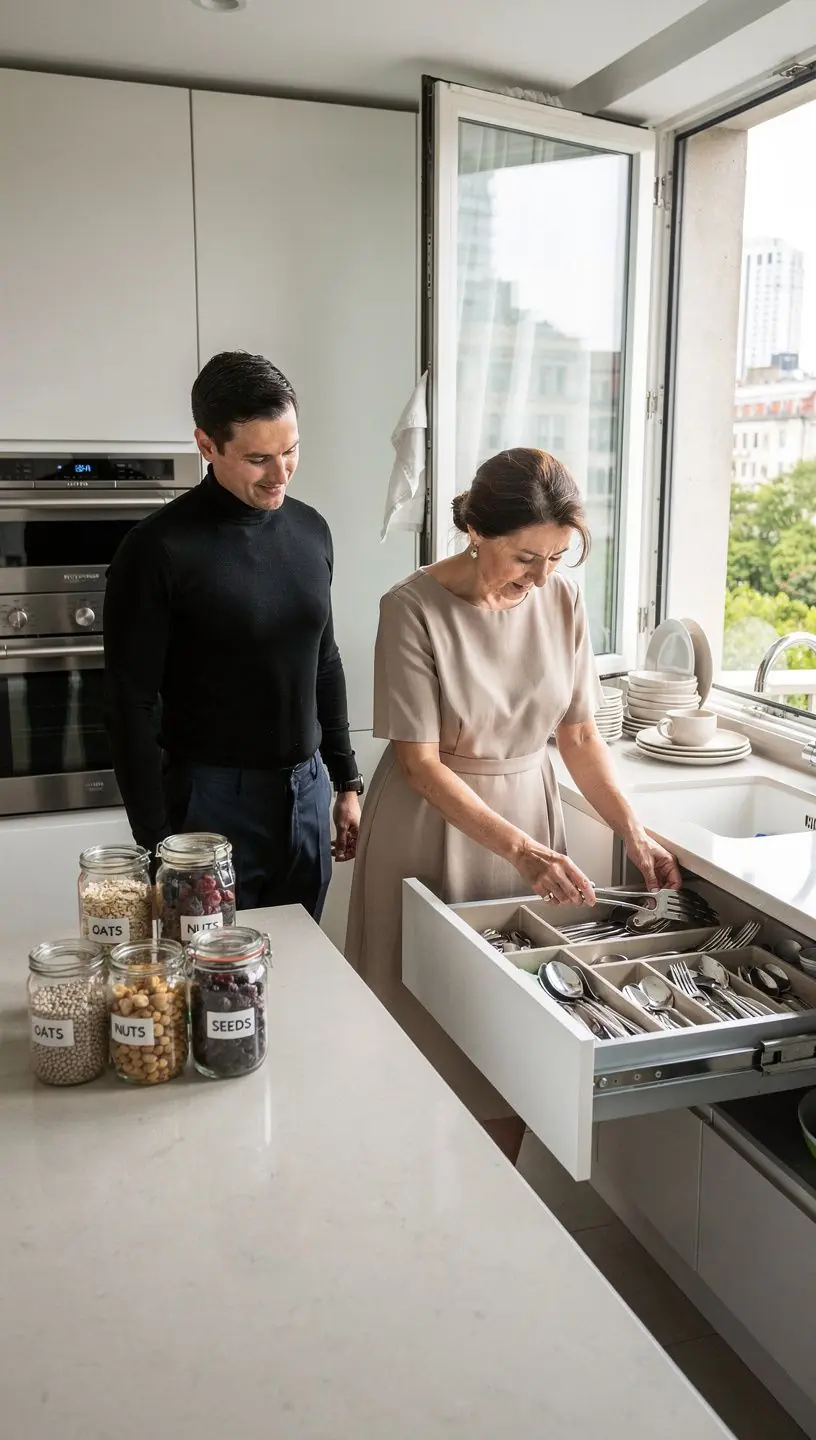
- Decluttering: Start by removing items that do not have a specific use or emotional value. This process often takes time and requires dedication, typically involving multiple sessions.
- Organizational Solutions: Invest in storage solutions that align with a minimalist aesthetic. Items such as baskets or boxes can help keep surfaces clear.
- Mindful Design: When redesigning a space, consider layout and color schemes that promote calmness. Using a limited color palette can minimize distractions.
Conclusion
Understanding the impact of visual clutter is essential for creating an effective and harmonious living space. By implementing strategic decluttering and organization, individuals can significantly improve usability and overall well-being. While this process often requires time and effort, the positive outcomes in mood and productivity make it a worthwhile endeavor. For those in Lithuania looking to enhance their home environment, a focus on reducing visual clutter can lead to lasting improvements.
Learn More