Evaluating Usability in Home Design
In today's fast-paced world, creating a home that is both functional and aesthetically pleasing is essential. This article explores how to evaluate usability in home design, providing insights on reducing clutter and enhancing user experience.
Understanding Usability in Home Design
Usability in home design refers to how easily and effectively a space can be used by its inhabitants. According to research conducted by the American Society of Interior Designers, homes that prioritize usability often foster higher levels of satisfaction and productivity. This happens because well-designed spaces can facilitate better movement, enhance accessibility, and support the daily activities of residents.
"Good design is about making places that work for people, not just for aesthetics." - Industry Expert
Key Factors in Evaluating Usability
When assessing the usability of a home, consider the following key factors:
- Layout: A logical and intuitive layout can significantly improve the flow of movement within a space. According to studies, a well-thought-out layout can reduce the time spent navigating rooms by up to 30%.
- Accessibility: Homes should be designed with accessibility in mind. This includes considering the needs of individuals of all ages and abilities. Experts recommend ensuring that hallways and doorways are wide enough to accommodate mobility aids.
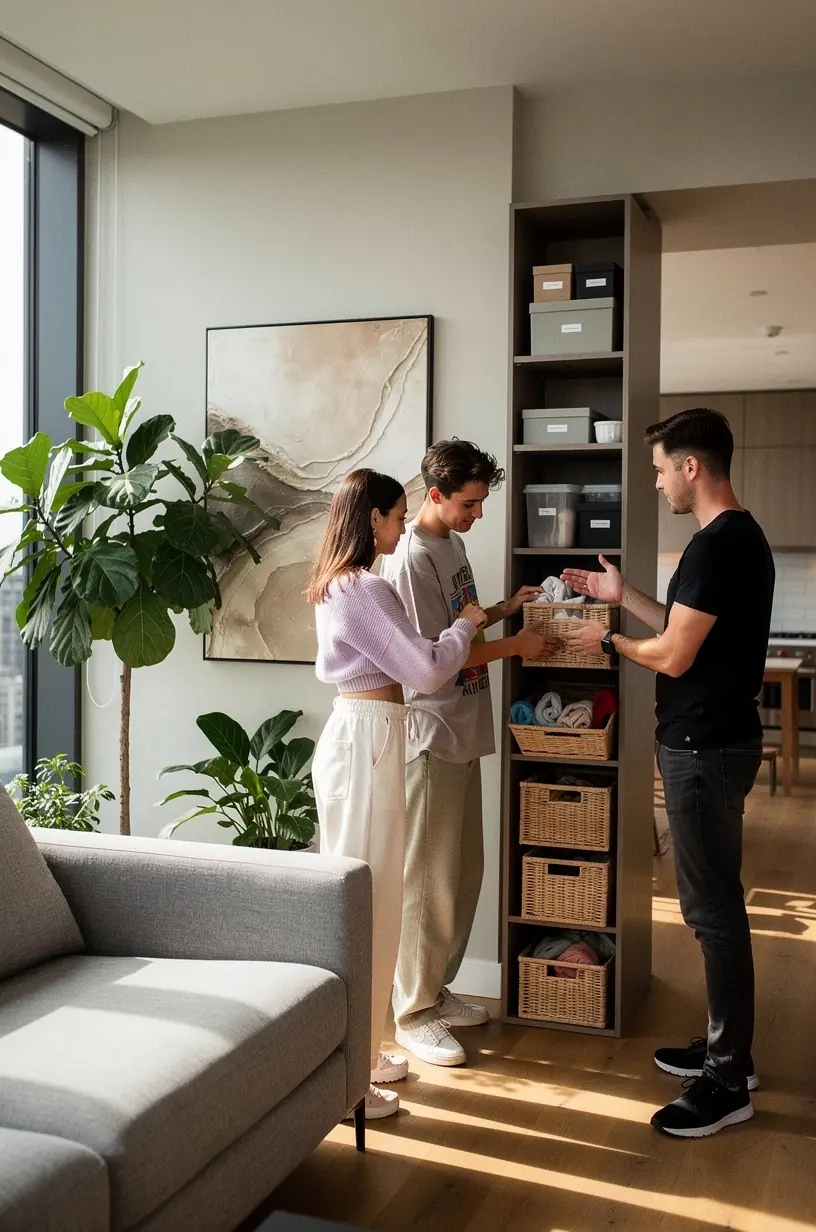
- Storage Solutions: Clutter can detract from usability. Research indicates that homes with effective storage solutions typically experience a 20% increase in usable space, as they promote organization and reduce visual chaos.
Implementing Usability Enhancements
To improve the usability of your home, consider the following steps:
- Assess Your Current Layout: Analyze how your current space serves you. Identify areas where movement feels restricted or cluttered.
- Incorporate Universal Design Principles: Adapt your home by using universal design principles that cater to diverse needs, such as lever handles and non-slip flooring.
- Declutter Regularly: Establish a routine to minimize clutter. This typically takes consistent effort over weeks, but can dramatically increase the usability of your space.
Conclusion
Evaluating usability in home design is a multifaceted process that requires thoughtful consideration of layout, accessibility, and storage. By understanding the principles behind usability and implementing practical strategies, homeowners can create spaces that are not only visually appealing but also highly functional. Remember, the journey to a more usable home typically takes time and dedication, but the results can lead to an enhanced quality of life.